

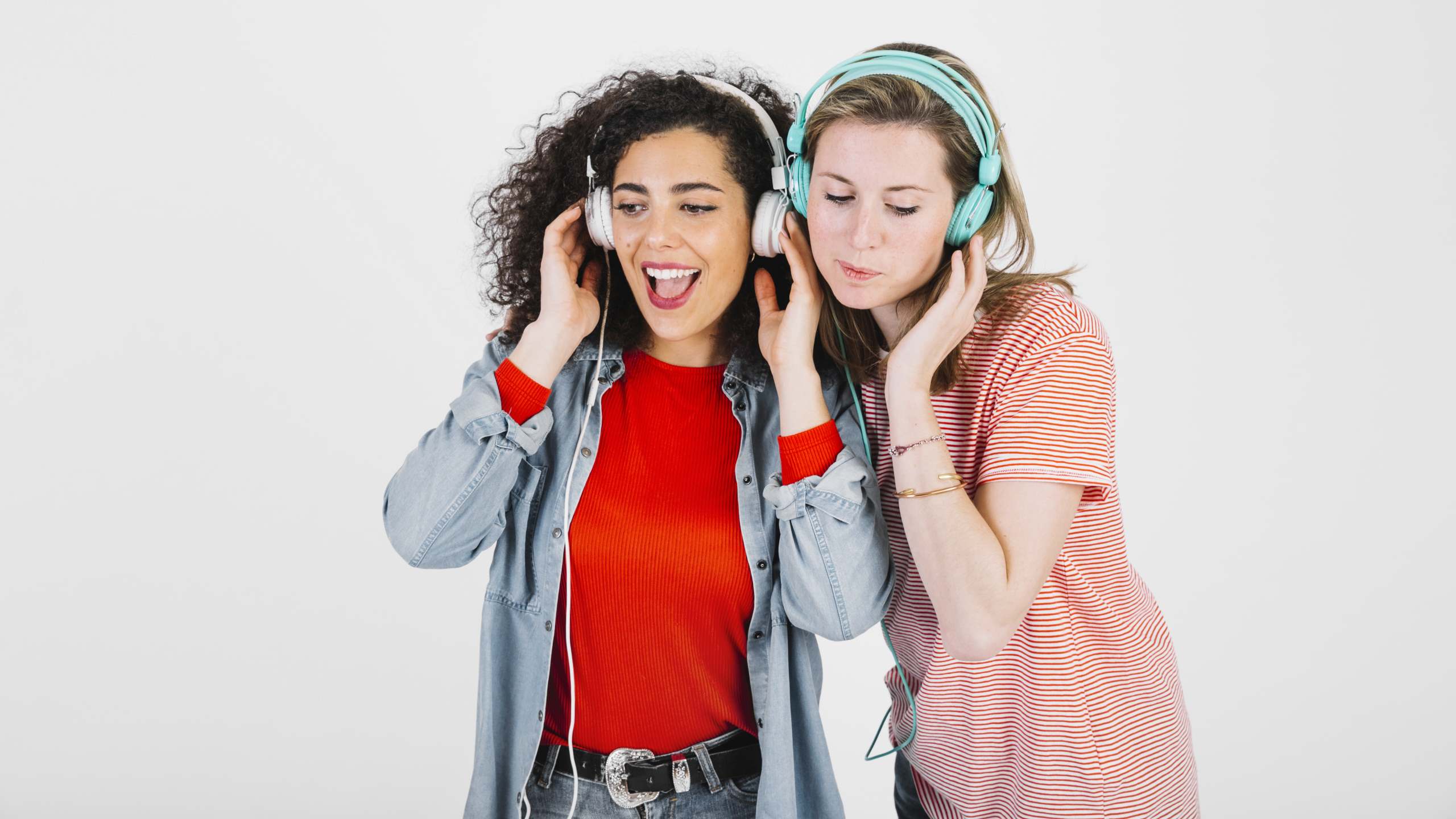
In 2025, Moroccan youth are engaging with a diverse array of audio content, reflecting their dynamic lifestyles and evolving tastes. While music remains a cornerstone of their auditory experiences, podcasts, audiobooks, and social media audio content are gaining significant traction.
Music: A Fusion of Tradition and Modernity
Music continues to be a central aspect of Moroccan youth culture. The MENA region, including Morocco, stands out globally for its high music consumption, with users averaging 27 hours per week, significantly above the global average. This trend is evident in the popularity of artists like Saad Lamjarred, Lartiste, and Zina Daoudia, who blend traditional Moroccan sounds with contemporary genres. Platforms such as Spotify and Anghami showcase a mix of local and international artists, catering to the diverse musical preferences of Moroccan youth.
Podcasts: A Growing Medium for Information and Entertainment
Podcasts are experiencing a surge in popularity among Moroccan youth. A report by 6Wresearch indicates a growing interest in podcast consumption, with projections showing an increase in market volume by 2029. Young Moroccans are tuning into podcasts that cover a wide range of topics, including entrepreneurship, culture, and personal development. This medium offers an accessible way for youth to engage with content that aligns with their interests and aspirations.
Audiobooks: An Emerging Trend in Digital Consumption
The audiobook market in Morocco is on an upward trajectory. According to ecommercedb, the Moroccan audiobooks eCommerce market is predicted to reach US$1.3 million by 2025, reflecting a growing interest in audio-based literature.
This trend is particularly appealing to students and young professionals who seek to consume literature and educational content on the go. Platforms offering audiobooks in Arabic and French are expanding their offerings to cater to this demand.
Social Media Audio: The Rise of Short-Form Audio Content
Social media platforms are increasingly incorporating audio features, allowing Moroccan youth to engage with short-form audio content. Platforms like TikTok, Instagram, and YouTube Shorts have become popular avenues for discovering new music, trends, and cultural content. In 2025, 94% of Moroccans use social media daily, with young people leading this trend. Audio snippets — from new rap beats to inspirational speeches — are now part of everyday digital life. Even local lifestyle pages such as ma.webzine.world/ on Instagram regularly share reels that capture this vibrant sound-driven culture, making it easier for young Moroccans to stay connected and inspired.

A Testimonial: Personal Listening Habits
Leila , a 22-year-old student in Casablanca, shares her daily audio consumption routine:
“I start my day with a cup of coffee and a podcast on personal development during my commute, listen to Moroccan rap during breaks, and unwind with an audiobook in the evening. It’s a balanced mix that keeps me informed, entertained, and connected to my culture.”
The Role of Festivals in Shaping Musical Preferences
Music festivals play a pivotal role in shaping the musical preferences of Moroccan youth. The Mawazine Festival, held annually in Rabat, attracts millions of attendees and features a diverse lineup of artists from various genres.
The 2025 edition drew 3.75 million people, underscoring the importance of live music events in the cultural landscape of Morocco. These festivals provide a platform for emerging artists and foster a sense of community among music enthusiasts.
Conclusion
What Moroccan youth are listening to in 2025 goes well beyond music. From streaming platforms to podcasts, audiobooks, viral social media audio, and festivals, their choices reflect a blend of tradition, modernity, and global influence. This diversity shows how Moroccan youth are not just passive listeners, they are active shapers of a new audio culture that connects them to both their heritage and the wider world.