

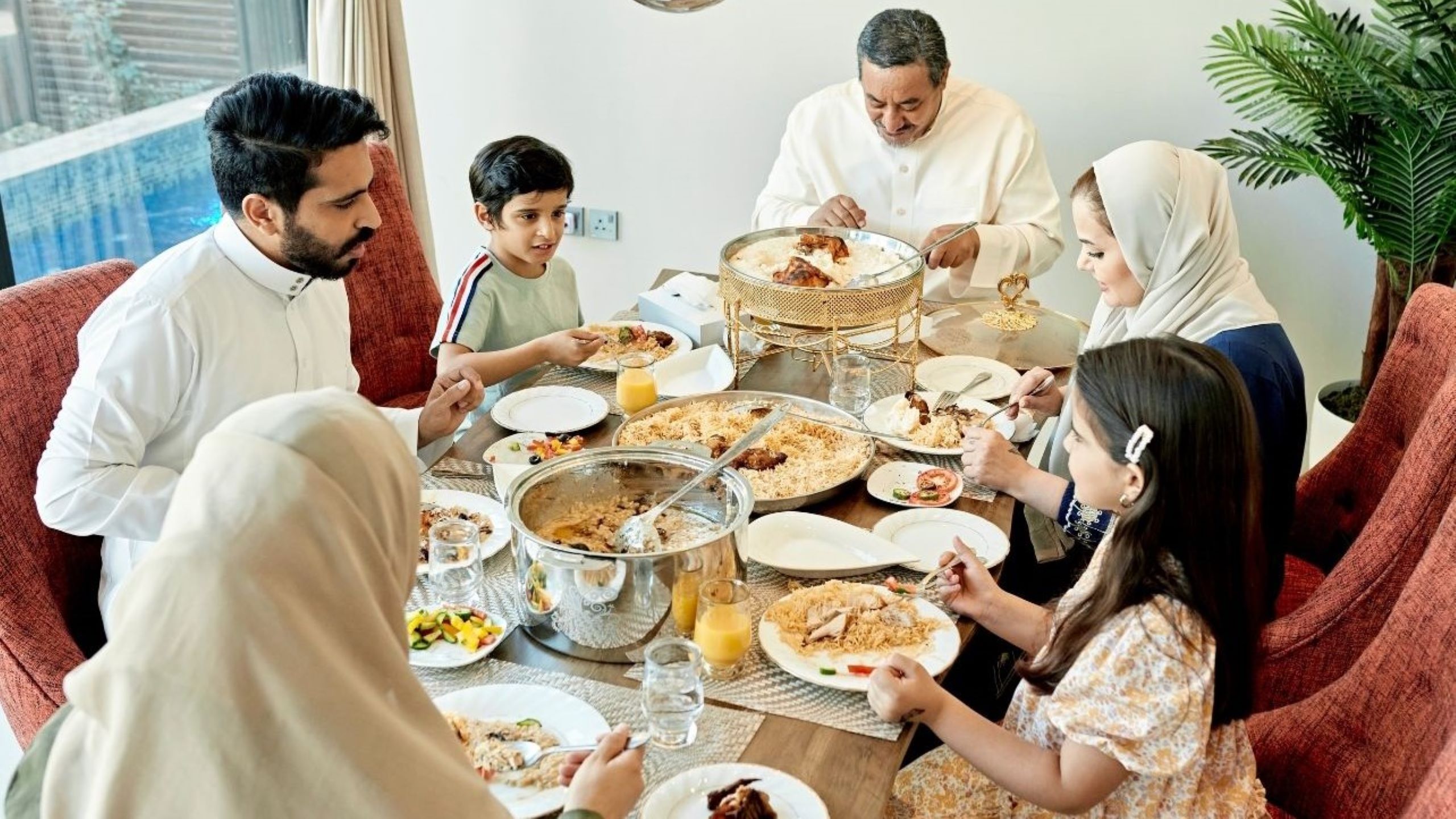
Morocco’s holiday season reflects its rich multicultural heritage through diverse family traditions shaped by multiple calendars and cultures. Celebrations span the Gregorian New Year, Amazigh Yennayer, Islamic festivals, and Jewish holidays, highlighting Morocco’s plural identity. Families blend Arab, Amazigh, Jewish, African, and European influences through shared meals, music, henna, gatherings, and charitable giving. These religious, agricultural, and modern festivities create a year-round rhythm of family life, offering insight into Morocco’s cultural diversity and contemporary national identity.
Why Morocco’s Multicultural Holiday Season Matters
Morocco’s holiday season reflects centuries of cultural exchange creating harmonious coexistence rarely found globally. First, the nation observes Islamic calendar festivals alongside Amazigh agricultural celebrations and Western-influenced New Year traditions. Additionally, Morocco’s holiday season includes historically significant Jewish festivals though the community remains small today.
This multicultural holiday season approach defines Moroccan identity fundamentally. Moreover, families participate across religious and cultural boundaries sharing meals and celebrations respectfully. For instance, Muslim families often honor Amazigh Yennayer traditions while celebrating Islamic Eid festivals simultaneously. Meanwhile, expatriate communities contribute Christmas and international New Year customs enriching Morocco’s holiday season tapestry.
Consequently, Morocco’s holiday season demonstrates pluralism succeeding through mutual respect and shared values. Thus, seasonal celebrations become opportunities strengthening national unity through diversity rather than uniformity.
New Year Celebrations and Yennayer Amazigh Traditions
Morocco’s holiday season begins with multiple New Year celebrations reflecting diverse cultural influences. First, Gregorian New Year on December 31 attracts celebrations in major cities including Marrakech, Casablanca, Rabat, and Tangier. Additionally, hotels and riads host lavish dinners combining Moroccan and international cuisines with live music and fireworks.
Moreover, Yennayer—Amazigh New Year celebrated around January 12—honors Berber agricultural heritage through traditional feasts and rituals. Furthermore, Atlas Mountain villages celebrate Yennayer through communal meals featuring special dishes symbolizing renewal and fertility. For example, families prepare traditional couscous, dried fruits, nuts, and legumes representing agricultural abundance during holiday season gatherings.
Meanwhile, Islamic New Year follows the lunar Hijri calendar marking Prophet Muhammad’s journey from Mecca to Medina. Consequently, Moroccan families observe three distinct New Years within weeks demonstrating extraordinary cultural flexibility. Thus, the holiday season opens with layered celebrations honoring multiple heritage traditions simultaneously.

Ramadan and Eid Family Traditions
Islamic holidays form Morocco’s most significant holiday season observances affecting entire national rhythms. First, Ramadan—the ninth month fasting from dawn until sunset—transforms daily life through spiritual reflection and communal iftar meals. Additionally, families gather nightly breaking fast with dates, harira soup, and traditional dishes creating intimate holiday season moments.
Moreover, Eid al-Fitr celebrates Ramadan’s conclusion through three-day festivities featuring prayers, new clothes, gifts for children, and elaborate family meals. Furthermore, Eid al-Adha commemorates Abraham’s sacrifice through ritualistic sheep slaughter with meat distributed among family, relatives, and those in need. For instance, families prepare special tagines, couscous, and pastries during both Eid celebrations as essential holiday season traditions.
Meanwhile, the holiday season emphasis on charity defines these celebrations through Zakat al-Fitr donations ensuring everyone participates in festivities. Consequently, Islamic holidays create powerful community bonds through shared spiritual practices and generosity. Thus, these holiday season observances blend religious devotion with family togetherness and social responsibility beautifully.
Real Stories from Morocco’s Multicultural Families
Yasmine Berrada, 34, Teacher, Fez
“Growing up in Fez, our family celebrated every holiday season tradition available—Islamic festivals, Amazigh Yennayer, and even participated in Christian neighbor’s Christmas gatherings. This multicultural approach felt completely normal until I traveled abroad realizing how unique Morocco’s holiday season flexibility was.
During Yennayer, my grandmother prepared traditional Amazigh dishes while sharing stories about agricultural cycles and Berber heritage. Two weeks earlier, we’d celebrated Gregorian New Year with friends at a Marrakech hotel. Then Ramadan transformed our routines entirely—fasting, prayer, and beautiful nightly iftar gatherings strengthening family bonds profoundly.
Now teaching Moroccan history, I emphasize how our holiday season traditions demonstrate coexistence possibilities. My students represent diverse backgrounds yet share these celebrations naturally. Morocco’s holiday season proves multiple identities coexist enriching rather than conflicting with each other. Indeed, our multicultural celebrations define what makes Morocco extraordinarily special globally.”
Shared Family Values Across Holiday Season Traditions
Despite diverse origins, Morocco’s holiday season celebrations share fundamental values unifying communities. First, family gatherings remain central to every celebration regardless of religious or cultural background. Additionally, generous hospitality welcoming guests and strangers characterizes all holiday season traditions equally.
Moreover, traditional foods prepared collectively strengthen bonds through shared cooking and eating experiences. Furthermore, charitable giving during holiday season festivities ensures community inclusion benefiting those experiencing financial hardship. For example, both Islamic Eid celebrations and Amazigh Yennayer emphasize feeding others and sharing abundance generously.
Meanwhile, henna decoration, traditional music, new clothing, and prayers appear across different holiday season celebrations with cultural variations. Consequently, shared values create common language transcending specific religious or ethnic identities. Thus, Morocco’s holiday season traditions unite communities through universal human experiences of gratitude, celebration, and connection.

Getting Started Experiencing Morocco’s Holiday Season
Experiencing Morocco’s authentic holiday season requires timing visits appropriately and engaging respectfully with local customs. First, research Islamic calendar dates as religious holidays shift annually relative to Gregorian calendars. Additionally, consider visiting during Ramadan experiencing evening iftar meals and transformed nightly atmosphere firsthand.
Moreover, participate in Yennayer celebrations visiting Atlas Mountain villages around January 12 sharing traditional Amazigh meals with local families. Furthermore, attend public holiday season events like Eid prayers, moussems, and cultural festivals open to respectful visitors. For instance, dress modestly, learn basic Arabic greetings, and accept offered tea demonstrating cultural respect.
Meanwhile, book accommodations early during major holiday season periods as hotels require 5-7 night minimum stays December-January. Consequently, prepared travelers maximize authentic holiday season participation through research, flexibility, and cultural sensitivity. Thus, Morocco provides accessible pathways experiencing multicultural celebrations through intentional engagement and openness.
Conclusion: Holiday Season Secures Morocco’s Multicultural Identity
Morocco’s holiday season demonstrates how diverse traditions coexist creating richer cultural experiences than homogeneous alternatives. From Gregorian and Amazigh New Years to Ramadan, Eid festivals, and modern celebrations, the nation honors multiple heritages simultaneously. Moreover, shared values of family, hospitality, food, and charity unite communities across religious and ethnic boundaries.
Yennayer feasts, Ramadan iftars, Eid sacrifices, and New Year festivities offer boundless participation opportunities throughout the year. Additionally, family testimonials prove Morocco’s multicultural holiday season delivers genuine social cohesion beyond political rhetoric. Therefore, visitors should time travels experiencing authentic celebrations while respecting local customs and traditions.
Furthermore, Morocco’s commitment to pluralism through holiday season observances ensures sustained cultural diversity benefiting future generations. Indeed, the nation’s unique position bridging Africa, Arabia, Mediterranean, and Europe creates unmatched celebration richness globally. Research Islamic calendar dates today, plan respectful participation, and discover Morocco’s extraordinary multicultural holiday season traditions.
Ready to experience Morocco’s diversity? Visit Morocco’s Official Tourism for cultural guides, explore festival calendars, and discover the nation’s remarkable multicultural holiday season celebrations!
Learn More About Morocco’s Holiday Season Traditions
Visit Morocco – Official Tourism & Cultural Traditions