

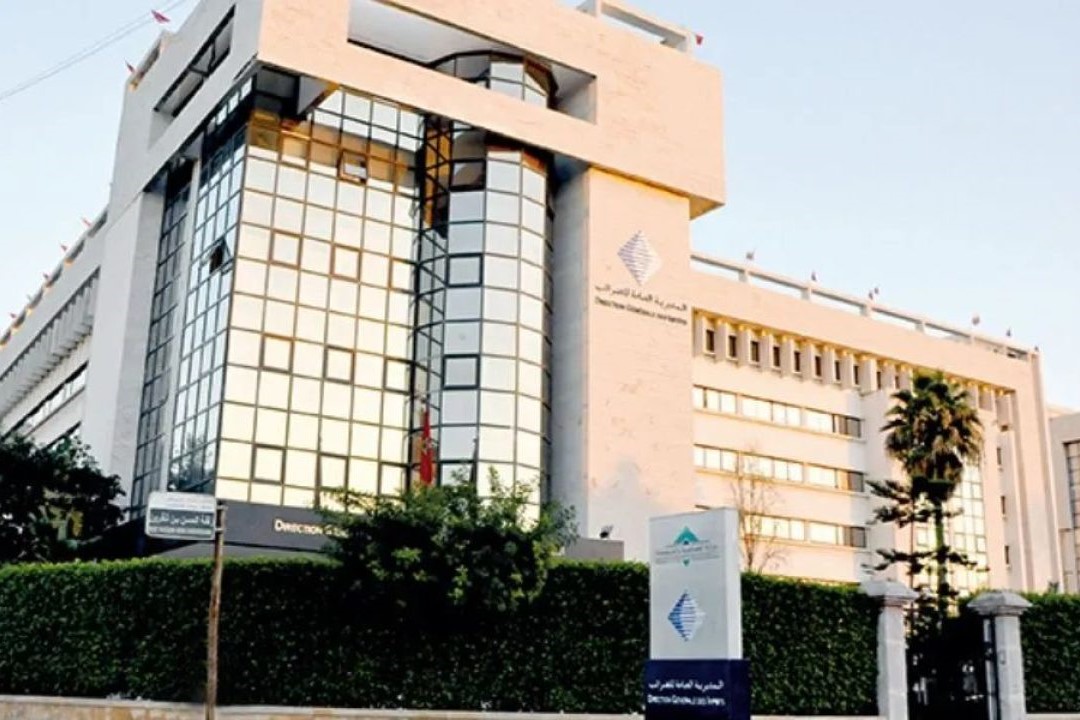
In a significant yet understated shift, Morocco’s Direction Générale des Impôts (DGI) has taken over the collection of two major local taxes—the housing tax (TH) and the communal services tax (TSC)—from the Trésorerie Générale du Royaume (TGR), effective June 12, 2025. Cemented by Law No. 14‑25 (amending Law No. 47‑06), this reform marks a turning point in the governance of local public finance.
Why this change matters
Previously, Morocco’s tax system had been administratively fragmented: the DGI handled the professional tax, the TGR managed TH and TSC (since 2021), while some local councils administered other taxes directly. This jigsaw led to inefficiencies—duplication of roles, administrative delays, and inconsistent practices. By shifting TH and TSC entirely under the DGI, the government aims to streamline operations, strengthen transparency, and boost collection efficiency.
Part of a broader reform agenda
This realignment is part of Morocco’s fiscal overhaul under the framework of Law No. 69‑19, targeting modernization, simplification, and enhanced user experience. The focus is on integrating disparate tax channels, automating administrative processes, and improving digital services. The DGI, equipped with high-performance digital infrastructure and linked administrative databases, is considered well-positioned to manage these functions more effectively than the multiple previous bodies.
What remains unchanged
Taxpayers will not face new obligations, altered rates, or changed exemption rules. The bases, rates, and exemptions remain intact. However, individuals and businesses stand to benefit from faster processing, greater consistency, and a more user-friendly interface, thanks to centralized digital systems and smoother servicing.
The taxes in focus
Housing Tax (TH)
Levied on residential properties—primary or secondary homes—based on rental value, with progressive rates from 10% to 30%. Exemptions apply to public assets, places of worship, recognized charities, and new primary residences (exempt for up to five years).
Communal Services Tax (TSC)
Designed to fund local public services, this tax applies to residential, professional, and industrial properties. Rates vary—10.5% in urban/touristic zones; 6.5% in peripheral areas.
How the handover unfolded
A two-month transitional period ensured continuity. The TGR’s role isn’t being sidelined—it’s a well-planned handover to a more centralized, digitally advanced authority.
Strategic Implications
Improved collection performance
A unified approach—from assessment to collection and dispute resolution—promises enhanced revenue and fairness.
Modernized process
Electronic filing, database integration, online services, and automated notices will increase speed, reduce errors, and bolster transparency.
Greater trust in local governance
The state highlights that local taxation is not merely administrative but a crucial tool for territorial development. Streamlined management through the DGI is a step toward reinforcing citizen confidence.
In conclusion
Morocco’s transfer of property tax and communal tax collection to the DGI represents a quiet revolution in local fiscal policy. It underscores a determined push toward greater integration, digital transformation, and taxpayer-centric administration. Although largely invisible to the public eye, this move could reshape local revenue systems, minimize administrative hurdles, and support more robust regional development.