

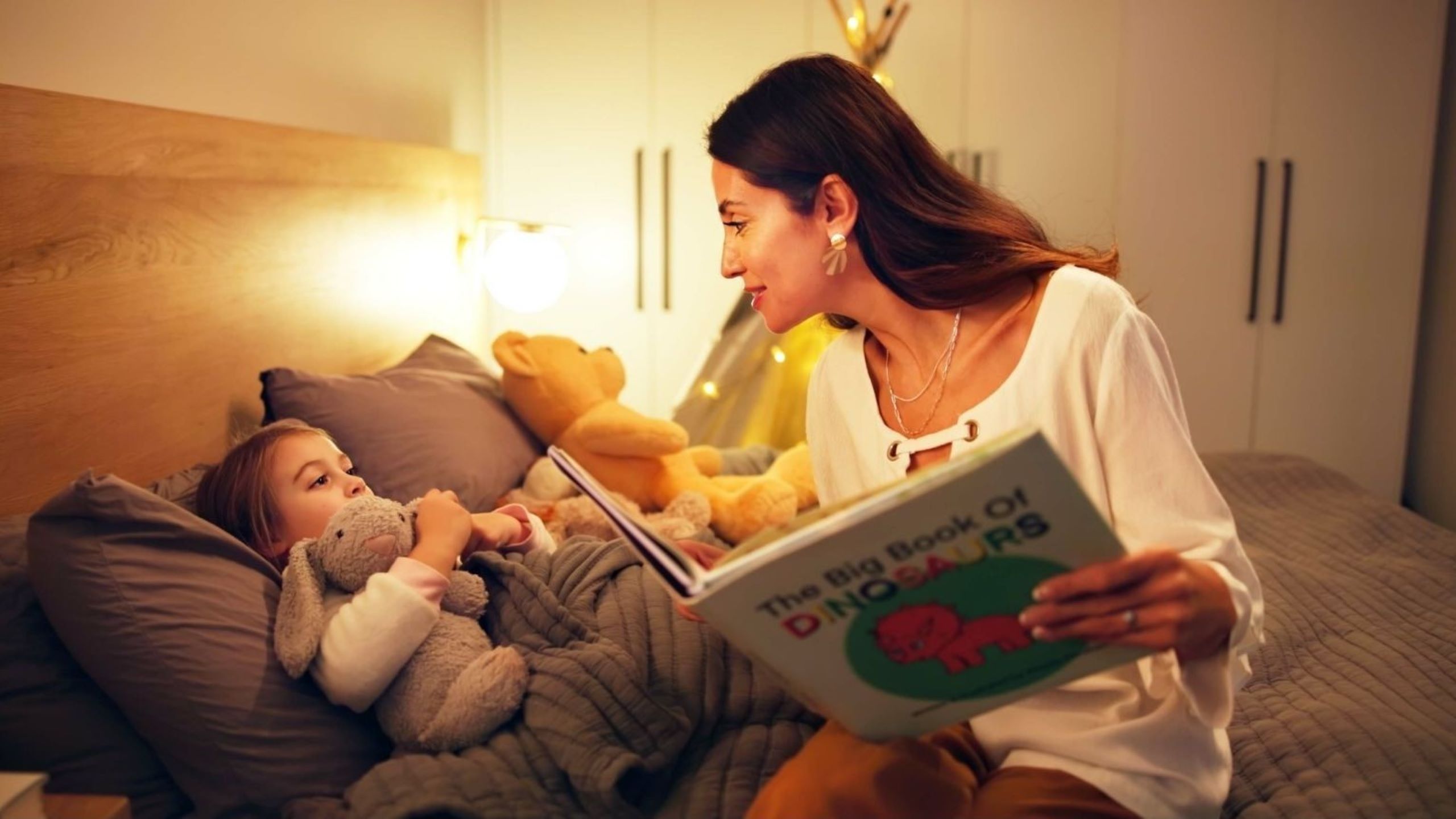
Parenting tips for raising bilingual children in modern Morocco navigate unique linguistic landscape balancing Arabic, French, and increasingly English. Furthermore, multilingual education offers cognitive advantages while preserving cultural identity and future opportunities. Indeed, understanding effective bilingual strategies helps Moroccan parents support children’s language development successfully.
What Makes Moroccan Bilingual Parenting Uniquely Complex?
Moroccan children navigate Darija (Moroccan Arabic) at home daily. Consequently, Modern Standard Arabic (Fusha) introduced through formal education. Additionally, French serves as primary instruction language secondary school.
Therefore, most Moroccan children manage three languages minimum naturally. Moreover, English increasingly emphasized for global opportunities and technology. Parents balance linguistic development with cultural preservation concerns.
Studies show bilingual children develop enhanced cognitive flexibility significantly. For instance, superior problem-solving and multitasking abilities emerge consistently. Thus, multilingualism provides academic and professional advantages long-term.
Which Language Strategies Work Best at Home?
One parent, one language (OPOL) approach assigns consistent languages. Furthermore, mother speaks Darija while father uses French exclusively. Children naturally compartmentalize languages preventing confusion effectively.
Consistent home language maintains Darija for family communication. However, designated French time during meals or activities. Also, reading books alternating languages nightly builds vocabulary.
Code-switching acceptance reflects authentic Moroccan communication patterns naturally. Meanwhile, children mix languages as adults do professionally. Certainly, correcting gently without discouraging expression maintains confidence.
Media exposure through cartoons and books in target languages. For example, French children’s programs reinforce classroom learning. Besides, Arabic storytelling preserves cultural heritage and values.

How Do Moroccan Education Choices Affect Language Development?
Public schools emphasize Arabic foundation early grades transitioning French. Nevertheless, strong Arabic literacy base supports multilingual development. Specifically, Quranic education reinforces classical Arabic comprehension skills.
Private bilingual schools introduce French from kindergarten simultaneously. On the other hand, faster French fluency but potentially weaker Arabic. Additionally, tuition costs 15,000-50,000 MAD annually limit accessibility.
Mission schools (French system) prioritize French as primary instruction. For instance, graduates achieve native-level French proficiency typically. Besides, Baccalaureate diploma enables European university admission directly.
International schools teach English-medium curriculum with third languages. Thus, children develop English dominance over Arabic sometimes. Furthermore, American or British systems differ from Moroccan culturally.
What Moroccan Parents Say About Bilingual Challenges?
Fatima Bennani, Mother of Three, Casablanca
“Parenting tips from experienced families helped our bilingual journey. Moroccan children benefit tremendously from multilingual abilities professionally. Additionally, maintaining Arabic connection preserves cultural identity and family bonds.”
“Our children attend French mission school but speak Darija home. Bilingual development requires consistency and patience from parents always. Furthermore, reading Arabic books together strengthens language and values. Children switch languages naturally without confusion now.”
Which Developmental Milestones Differ for Bilingual Children?
Speech development may begin slightly later but catches up. Therefore, bilingual children sometimes mix vocabularies initially temporarily. Currently, pediatricians recognize this as normal development pattern.
Vocabulary size appears smaller per language but combined exceeds monolinguals. As a result, total word knowledge superior across languages. Moreover, concept understanding transcends specific language labels.
Reading readiness timing varies depending on alphabet exposure (Arabic/Latin). Indeed, learning two writing systems requires additional cognitive processing. Also, Arabic right-to-left direction adds complexity for children.
Social adjustment benefits from understanding multiple cultural contexts naturally. Nevertheless, children navigate different social norms per language. Undoubtedly, cultural code-switching develops alongside linguistic abilities.

How Can Parents Support Balanced Language Development?
Consistent routines establish predictable language usage patterns daily. Meanwhile, breakfast conversations in Darija, homework in French. Certainly, structure helps children compartmentalize languages effectively.
Community involvement through Arabic classes and cultural activities. However, mosques offer Quranic studies reinforcing classical Arabic. Also, Moroccan cultural centers provide peer interaction opportunities.
Travel opportunities visiting family in countryside reinforces Darija dialects. For instance, summer vacations strengthen extended family connections. Besides, exposure to regional variations enriches linguistic awareness.
Technology balance monitoring screen time ensuring quality multilingual content. Nevertheless, educational apps support vocabulary building three languages. Specifically, Duolingo, Little Pim, and Arabic learning games.
Patience and encouragement celebrating progress without pressure or comparison. Thus, language acquisition unfolds naturally individual timelines. Furthermore, positive reinforcement builds confidence and motivation intrinsically.
Professional support from speech therapists if delays concern parents. Meanwhile, bilingual specialists understand unique developmental patterns. Also, school psychologists assess learning needs appropriately.
Conclusion: Raising Successfully Bilingual Moroccan Children
Parenting tips that emphasise consistency and patience can support bilingual success. Furthermore, Moroccan children reap cognitive and cultural benefits from multilingualism.
Choose an educational path that aligns with your family’s values and goals. Furthermore, maintain the home language to strengthen cultural identity and family bonds. Balance structure with flexibility as your children develop naturally.
Connect with other bilingual families to share experiences and strategies. Community support is invaluable for navigating the unique challenges together. Embark on your bilingual parenting journey with confidence, embracing Morocco’s linguistic richness.