

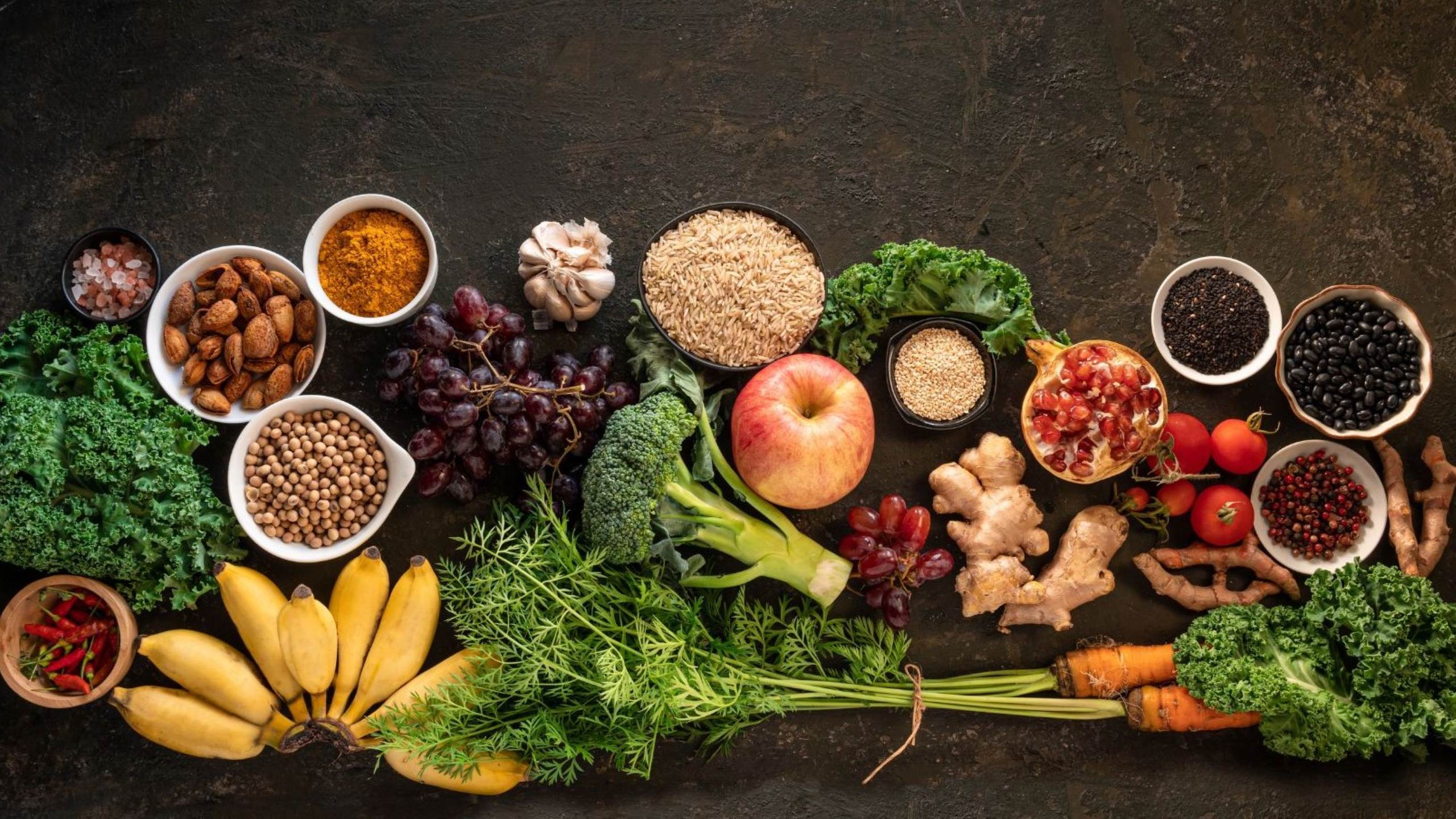
Across the world, plant-based eating is gaining attention for its health and environmental benefits. In Morocco, where traditional cuisine is celebrated for its diversity and flavor, the question arises: can a plant-based lifestyle truly work here? Surprisingly, Moroccan cuisine already offers a solid foundation for those looking to reduce or eliminate meat. From hearty legume stews to flavorful vegetable tagines, the Moroccan table naturally lends itself to mindful, plant-forward eating.
A Tradition Rooted in Plants
Before supermarkets and fast food, Moroccan meals were naturally plant-rich. Couscous with vegetables, lentil soups, and zaalouk (eggplant salad) were everyday staples. Meat was often reserved for special occasions. Returning to a plant-based diet today feels less like a trend and more like reconnecting with Morocco’s original food heritage.
Modern Influences and Global Awareness
Social media and global wellness movements have introduced new plant-based options. Moroccan influencers and chefs now share vegan recipes featuring harira without meat or almond milk smoothies infused with local dates. This growing visibility helps shift perceptions, showing that plant-based doesn’t mean boring or bland—it can be colorful, rich, and deeply Moroccan.
The Challenge of Eating Plant-Based in Morocco
Despite this progress, access remains uneven. In major cities like Casablanca and Marrakech, plant-based restaurants and organic markets are increasing. But in smaller towns, the concept can still feel unfamiliar. Some families see meat as a symbol of prosperity, so avoiding it can raise eyebrows.
However, awareness is slowly spreading, especially among younger Moroccans seeking balance and wellness.
A Local Perspective
Salma Idrissi, a Marrakech-based yoga instructor, shares how shifting her diet transformed her energy and lifestyle. Her experience reflects a quiet revolution across Moroccan households modern return to wholesome, plant-centered eating, she says:
“I decided to go mostly plant-based after struggling with fatigue, at first, my family thought I was following a foreign trend. But now, they love my vegetable couscous and lentil kefta. I’ve noticed more energy, better focus, and a sense of pride that I’m using ingredients grown right here in Morocco.”

Affordable and Accessible Plant-Based Options
Contrary to popular belief, eating plant-based in Morocco doesn’t have to be expensive. Lentils, chickpeas, olive oil, and seasonal vegetables remain affordable and accessible across markets. Even simple dishes like bissara (fava bean soup) or tomato-cucumber salads provide essential nutrients. By relying on local produce, families can adopt plant-forward habits without straining their budgets.
The Cultural Connection
Morocco’s culinary identity is built around community and hospitality, values that align perfectly with mindful, sustainable eating. Cooking plant-based dishes together can become a shared experience that honors tradition while supporting the planet. From village kitchens to city cafés, Moroccan cuisine continues to prove that food can be both ethical and deeply cultural.
Conclusion
Plant-based eating in Morocco isn’t about rejecting meat or copying global fads—it’s about returning to a balanced, authentic way of living. The Moroccan table has always celebrated grains, vegetables, and legumes. With more awareness and creativity, Morocco can lead by example—proving that sustainability begins not with sacrifice, but with rediscovery.