Morocco trade redefines African strategy

A businesswoman reviews Morocco trade documents at a busy Atlantic port facility

Morocco is pushing its ECOWAS observer engagement further than any North African state has before, and the numbers behind that move are striking. With $63.3 billion in total exports in 2024 and a $3.4 trillion continental market within reach, the kingdom is building a trade architecture that could define African commerce for the next 10 years.

Free zones Morocco startup guide

A female founder reviews documents at her desk while registering her startup in Morocco's free zones

Morocco’s free zones offer founders a rare combination: low taxes, fast registration, and a geographic position between Europe and Africa. Choosing the right legal structure from the start determines how much you pay, who you can sell to, and how fast you can scale. This guide gives you the facts to decide with confidence.

Tanger Med freight demand post-summer

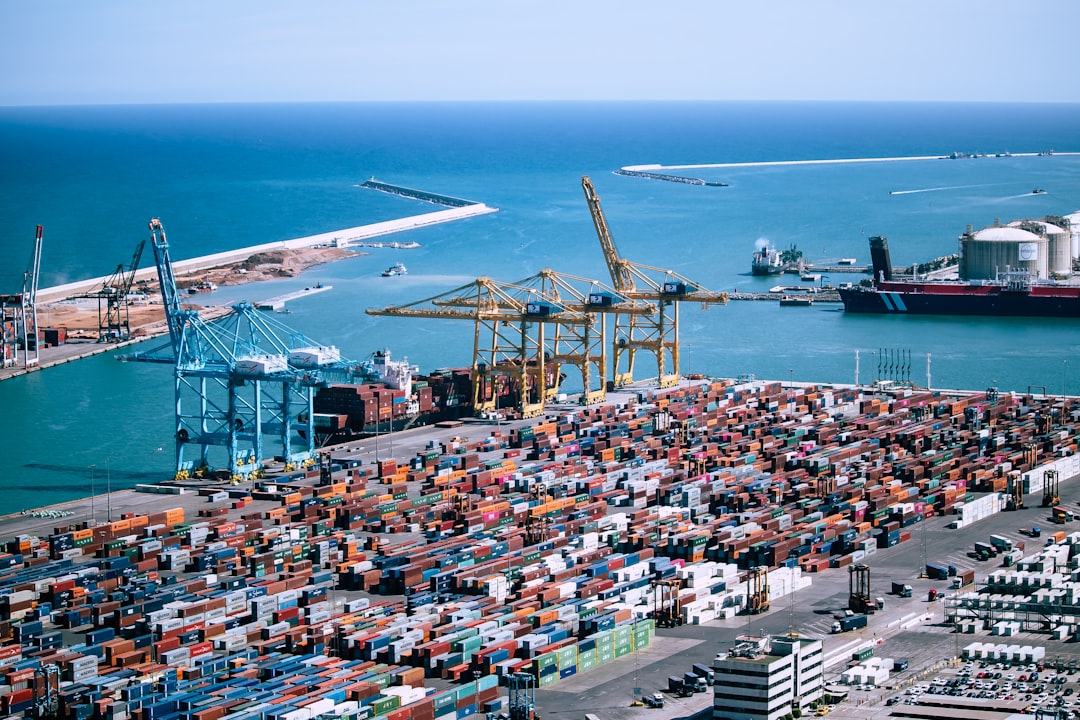
A freight logistics worker inspects containers at Tanger Med port, where post-summer freight demand peaks each autumn

Each autumn, Tanger Med freight demand climbs sharply as Morocco’s citrus harvests begin and industrial shipments accelerate toward European markets. Reefer capacity tightens, spot rates rise, and exporters who plan late pay the price. This article breaks down exactly what drives the shift and how smart operators stay ahead.

Casablanca Finance City wealth hub

A businesswoman reviews wealth management data at her desk inside a Casablanca Finance City tower office

Casablanca Finance City has grown from a policy ambition into Africa’s leading financial center, hosting over 226 companies from 24 nationalities. With deep capital markets, a new fintech layer, and Morocco’s unique position between Europe and Africa, CFC is making a serious case for global wealth management capital.

Southern provinces drive Morocco’s growth

A businessman reviews investment documents near a port facility in Morocco's southern provinces

Morocco’s southern provinces are drawing billions in public and private capital, with the World Bank identifying 4 high-potential sectors and projecting over 166,000 new jobs. From the Dakhla Atlantic Port to green hydrogen pipelines into Europe, this region is no longer peripheral. It is the engine.

Women cooperatives reshaping rural Morocco

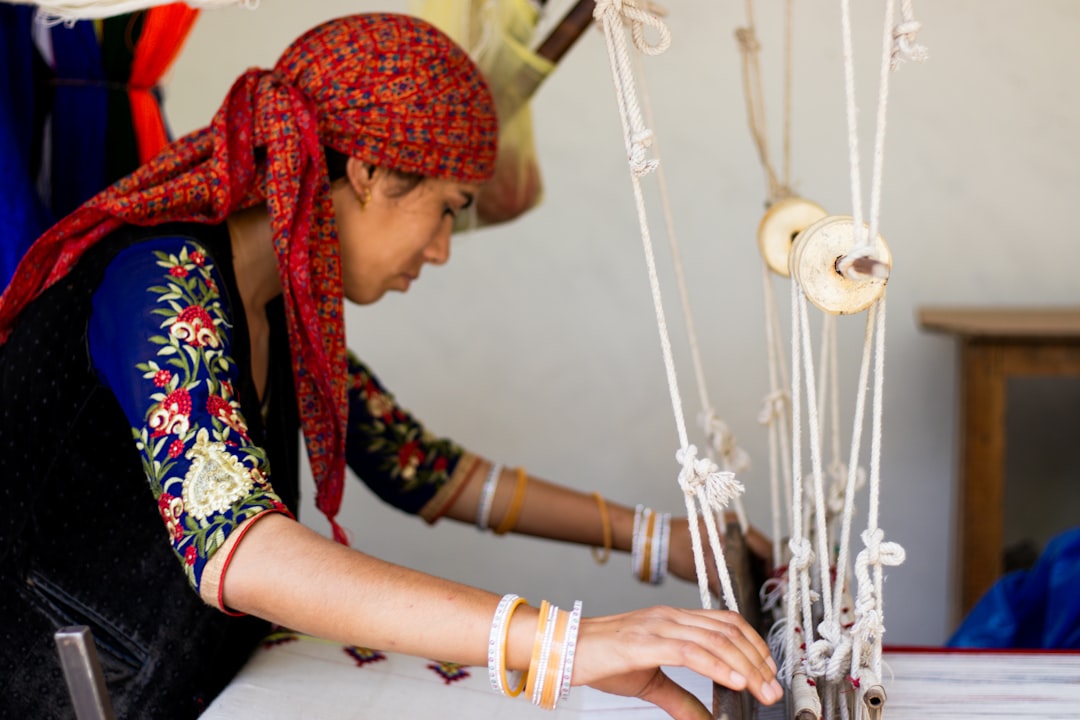
A member of a women cooperative in rural Morocco weaves a traditional textile at a shared workshop table

Women cooperatives in Morocco have grown into a powerful economic force, with more than 7,891 registered groups and 267,000 participants nationwide. These businesses now reach well beyond argan oil, producing saffron, medicinal plants, textiles, and food products for European and global markets. The numbers tell a clear story of strategic diversification in rural Morocco.

Moroccan designers and royal textile

A Moroccan designer showing how Moroccan designers bridge royal textile heritage and modern fashion.

The Fête du Trône on July 30 is more than a national celebration. It is a commercial signal. Moroccan designers who blend royal textile traditions with modern cuts are gaining international visibility, and the numbers behind their growth tell a clear entrepreneurial story.

FOCUS KEYWORD: Moroccan designers

SECONDARY KEYWORDS: caftan, heritage, artisans, identity

Local talent Morocco: contracts and costs

A professional reviewing an employment contract while hiring local talent in Morocco at a modern Casablanca office

Hiring local talent in Morocco offers strong advantages, from a competitive wage floor to a multilingual workforce bridging Europe and Africa. But many employers make costly mistakes on contracts, payroll contributions, and labor code requirements before they ever onboard their first employee. This guide cuts through the complexity with data and practical steps.

Free trade zones Morocco: investor guide

A foreign investor reviewing documents inside one of Morocco's free trade zones

Morocco’s free trade zones combine zero corporate tax for the first 5 years, full customs exemptions, and access to markets covering more than 1 billion consumers. For foreign investors, the structure is powerful but requires careful planning. This guide breaks down the key facts, incentives, and risks before you commit.